On this page
Why You Need Thermal Work Gloves in Cold Weather
When temperatures drop, your hands feel it first, especially if you work outdoors or handle cold metal. Cold hands lose dexterity and grip and react more slowly, which raises the risk of dropped loads and hand injuries. That is why thermal work gloves are essential for winter jobs: they keep your hands warm, dry and flexible, so you stay productive and safe on site, on the road or in a cold store.
What Are Thermal Work Gloves?
Thermal work gloves are insulated gloves that protect against low temperatures. They usually combine a warm lining (acrylic, fleece or thermal knit) with a coated palm (latex or nitrile) for grip and, on some models, water resistance.
- Insulated linings trap body heat for long-lasting warmth.
- Grip coatings: crinkle latex for wet, slippery handling and nitrile for oily conditions.
- Knitted or elasticated cuffs seal in warmth and keep out draughts.
- Durable materials resist wear in heavy-duty jobs.
Benefits of Wearing Thermal Work Gloves
- Warmth and comfort through long shifts in winter or cold stores
- Better grip on tools and materials
- Water resistance from fully coated or waterproof gloves, which keep hands dry outdoors
- Safety: warm hands keep their feeling and dexterity, so there is less risk of accidents
- Durability: good gloves withstand abrasion and tough use
Best Uses for Thermal Work Gloves
- Outdoor construction and maintenance
- Warehouse, cold-storage and freezer handling
- Delivery, transport and logistics
- Agriculture and forestry
- Utilities and roadworks
Understanding the Standards
Look for the pictograms and performance codes printed on the glove or its packaging.
- EN 511 (protection against cold): three digits give levels for convective cold (0–4), contact cold (0–4) and water penetration (0 or 1). Higher numbers mean better protection. An X means the property was not tested.
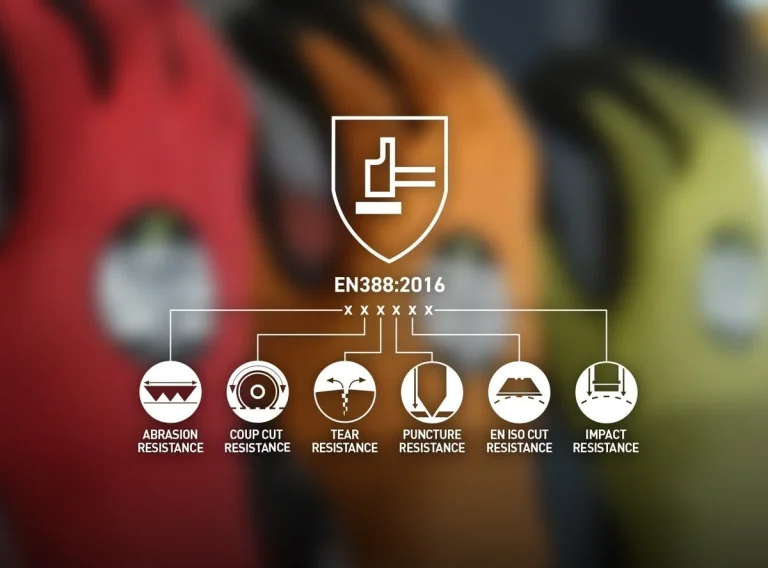
- EN 388 (mechanical risks): ratings for abrasion, cut, tear and puncture, plus optional ISO cut (A–F) and impact (P) codes. This matters if you handle sharp or rough materials in the cold.
- EN ISO 21420: the general requirements every safety glove must meet, covering sizing, dexterity and harmless materials.
How to Choose the Right Pair
- Cold rating: match the EN 511 levels to your conditions. Light liners suit chilly mornings; thick insulated gloves suit cold stores.
- Coating: latex crinkle for wet grip, nitrile for oil. Choose a fully coated or waterproof glove if your hands get wet.
- Dexterity: a finer gauge (13-gauge) gives more feel for precision tasks, while a heavier gauge (10-gauge) gives more warmth.
- Fit: a snug fit holds warmth better and improves handling.
- Mechanical protection: check the EN 388 cut level if you handle sharp materials.
Recommended Thermal Work Gloves
We stock thermal gloves from trusted brands, including lightweight thermal liners for precision work and thick acrylic-lined latex crinkle gloves for maximum warmth and grip.
Browse our cold and thermal gloves, or our waterproof gloves for outdoor work that needs both warmth and water resistance.
Care Tips for a Longer Lifespan
- Dry gloves naturally after use; avoid radiators and direct heat.
- Brush off dirt before washing, and follow the care label.
- Store them in a cool, dry place.
- Inspect gloves regularly. Replace them if the insulation flattens, the coating cracks or holes appear.
Conclusion
Don’t let cold hands slow you down or put you at risk. With the right thermal work gloves you can stay warm, safe and efficient all winter. Shop insulated gloves at Safety Workwear UK: trusted brands, bulk discounts and fast UK delivery.