On this page
Quick answer: Workwear is clothing worn for work that provides comfort, durability and a professional appearance. Personal Protective Equipment (PPE) is equipment designed to protect the wearer against specific, identified workplace hazards. The key difference between workwear and PPE is purpose: workwear is about function and image, while PPE is about protection against risk, and it comes with legal duties attached.
Understanding the distinction matters for safety, for legal compliance and for buying the right kit. The two often look similar (a hi vis jacket can be either), but they are governed very differently.
What Is Workwear?
Workwear means general clothing and uniforms designed for work environments. Its main purposes are to:
- provide durability and comfort during work
- present a professional or branded appearance
- offer practical features such as pockets, reinforced areas and easy-care fabrics
- identify staff or represent company identity
Common examples of workwear
- Standard work trousers and shirts
- Company uniforms and polo shirts
- General work boots without protective toecaps
- Fleeces and casual jackets
- Aprons worn for cleanliness rather than chemical protection
What Is PPE (Personal Protective Equipment)?
PPE is equipment worn or held to protect the wearer against one or more risks to their health or safety. In Great Britain, PPE supplied for use at work must:
- be UKCA or CE marked under the PPE Regulation (EU) 2016/425 as it applies in GB, and usually tested to a relevant EN/ISO standard
- protect against the hazards identified in the employer’s risk assessment
- suit the wearer and the task, and fit properly
- be maintained, stored correctly and replaced when it no longer protects
Common examples of PPE
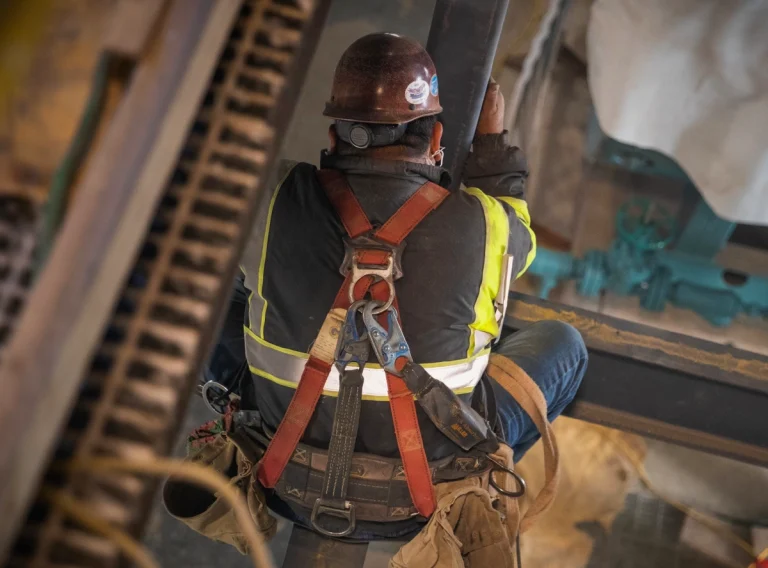
- Safety helmets and hard hats (EN 397)
- High visibility clothing where required (EN ISO 20471)
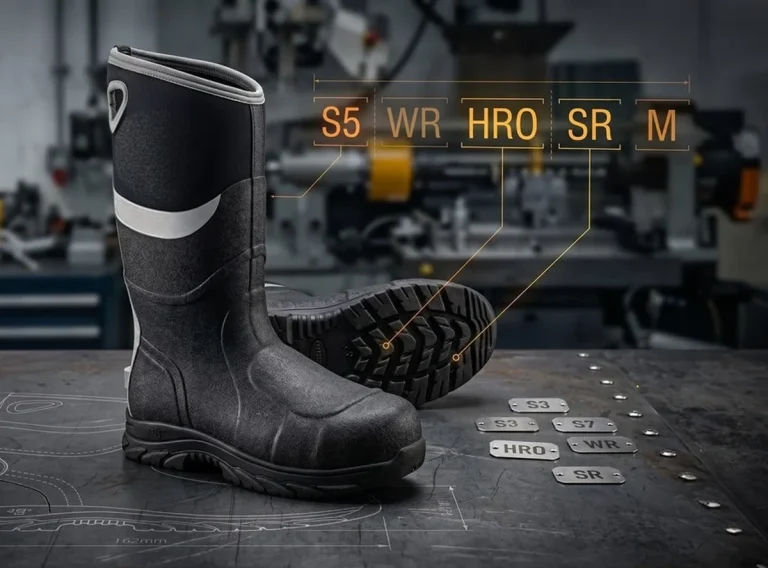
- Safety footwear with protective toecaps (EN ISO 20345)
- Respiratory protection such as masks and respirators
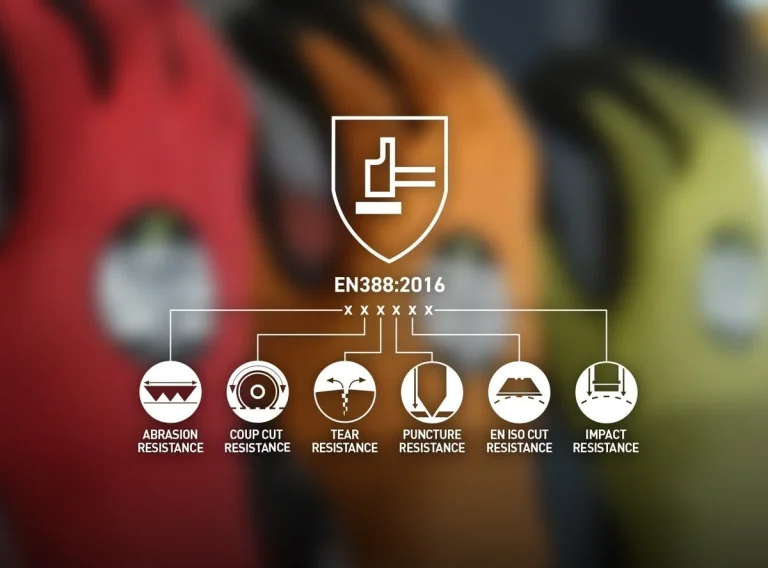
- Cut-resistant gloves (EN 388)
- Eye protection (EN ISO 16321 / EN 166)
- Hearing protection (EN 352)
Key Differences: Workwear vs PPE
| Aspect | Workwear | PPE |
|---|---|---|
| Primary purpose | Comfort, durability, professional appearance | Protection against specific workplace hazards |
| Legal requirements | No PPE-specific law (general product safety applies) | Personal Protective Equipment at Work Regulations 1992, as amended in 2022 |
| Certification | No safety certification required | UKCA/CE marked, tested to the relevant EN/ISO standards |
| Risk assessment | Not required | Must be selected based on a risk assessment |
| Employer responsibility | May be provided for uniformity or branding | Must be provided free of charge where risks cannot be controlled in other ways |
| Employee responsibility | Wear appropriately and keep clean | Use correctly, store properly, report loss or defects, attend training |
| Replacement | When worn out or damaged | When damaged, expired or no longer protective |
Who Must Be Given PPE?
Since 6 April 2022, the amended PPE at Work Regulations have extended employers’ duties from employees to “limb (b)” workers, meaning many casual and gig workers. If such a worker needs PPE to do the job safely, it must be provided free of charge, along with information and training on its use.
When Workwear Becomes PPE
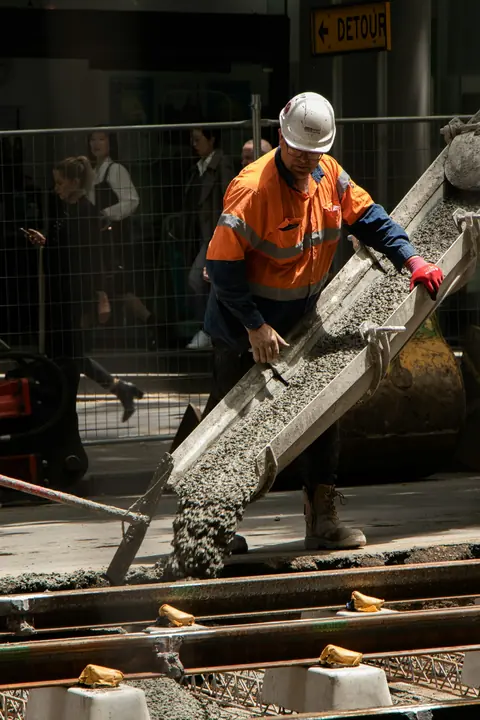
The same garment type can fall on either side of the line. A plain polo shirt is workwear. A certified hi vis polo worn because a risk assessment calls for visibility is PPE. Ask what hazard the item controls and whether it carries the relevant certification.
Planning kit for a whole team? See our guide to buying workwear and PPE for a growing workforce.